| Bengali Happy New Year | |||
|---|---|---|---|
|
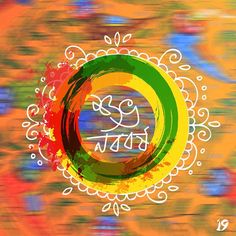
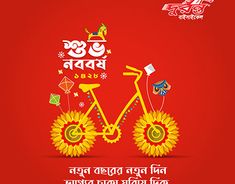
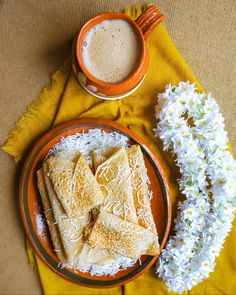
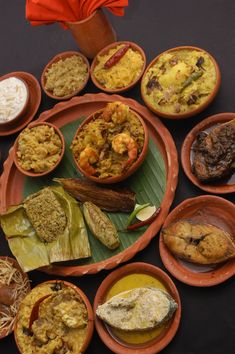
Bengali Happy New Year or Poila Baisakh, also known as Pohela Boishakh, marks the beginning of the Bengali New Year and is celebrated with immense joy and enthusiasm in both Bangladesh and the Indian state of West Bengal. This auspicious occasion usually falls on the 14th or 15th of April according to the Gregorian calendar, symbolizing the advent of spring and the harvest season. The phrase "Poila Baisakh" literally translates to "the first day of Baisakh," the first month of the Bengali calendar. Preparations for Poila Baisakh begin well in advance, with people cleaning and decorating their homes, streets, and marketplaces. The atmosphere becomes vibrant with colorful decorations, traditional alpana (floor drawings), and intricately crafted rangoli patterns adorning entrances. Women dress in vibrant sarees, men don traditional Panjabi or kurta, and children don new attire, adding to the festive spirit. On Poila Baisakh, people wake up early to offer prayers and seek blessings for prosperity and well-being. They visit temples, mosques, and other places of worship to offer their prayers and perform rituals. An essential aspect of the celebration is the exchange of sweets and gifts among friends, family, and neighbors, symbolizing goodwill and strengthening social bonds. |
 |
||
|
The traditional procession known as "Mangal Shobhajatra" is a significant aspect of Poila Baisakh celebrations, particularly in Bangladesh. Led by colorful floats, adorned with symbolic motifs representing cultural and social themes, this procession symbolizes the spirit of resilience, solidarity, and unity among the people. Poila Baisakh also holds economic significance, especially for businesses. It marks the beginning of the new financial year, and shopkeepers and traders consider it auspicious to open new account books, offering prayers for prosperity and success. Many businesses offer special discounts and promotions, attracting customers eager to make purchases for the festive season. In recent times, Poila Baisakh celebrations have evolved to embrace modern trends while retaining traditional elements. Cultural programs feature a blend of classical and contemporary performances, catering to diverse tastes. Additionally, digital platforms and social media play a crucial role in connecting people and spreading festive cheer, allowing those unable to participate physically to join in the celebrations virtually. Overall, Poila Baisakh is not just a festival but a celebration of heritage, culture, and community spirit. It brings people together, transcending barriers of religion, caste, and class, fostering a sense of belonging and unity among Bengalis worldwide. As the sun sets on Poila Baisakh, it leaves behind memories of joy, togetherness, and hope for the year ahead. |
|||
 |
 |
 |
 |
HOME |